
By Erica Meltzer, Chalkbeat Colorado
States most likely will not be able to place additional requirements or guardrails on scholarship groups funded through the new federal tax credit, according to a preview of the rules provided by the U.S. Treasury Department this week.
This position contradicts comments Education Secretary Linda McMahon made to Congress last month and at a Michigan school choice event in March in which she said states would be able to shape their own programs.
The U.S. Department of Education has declined to clarify those remarks, but it is ultimately the Treasury Department that will set the rules for the program.
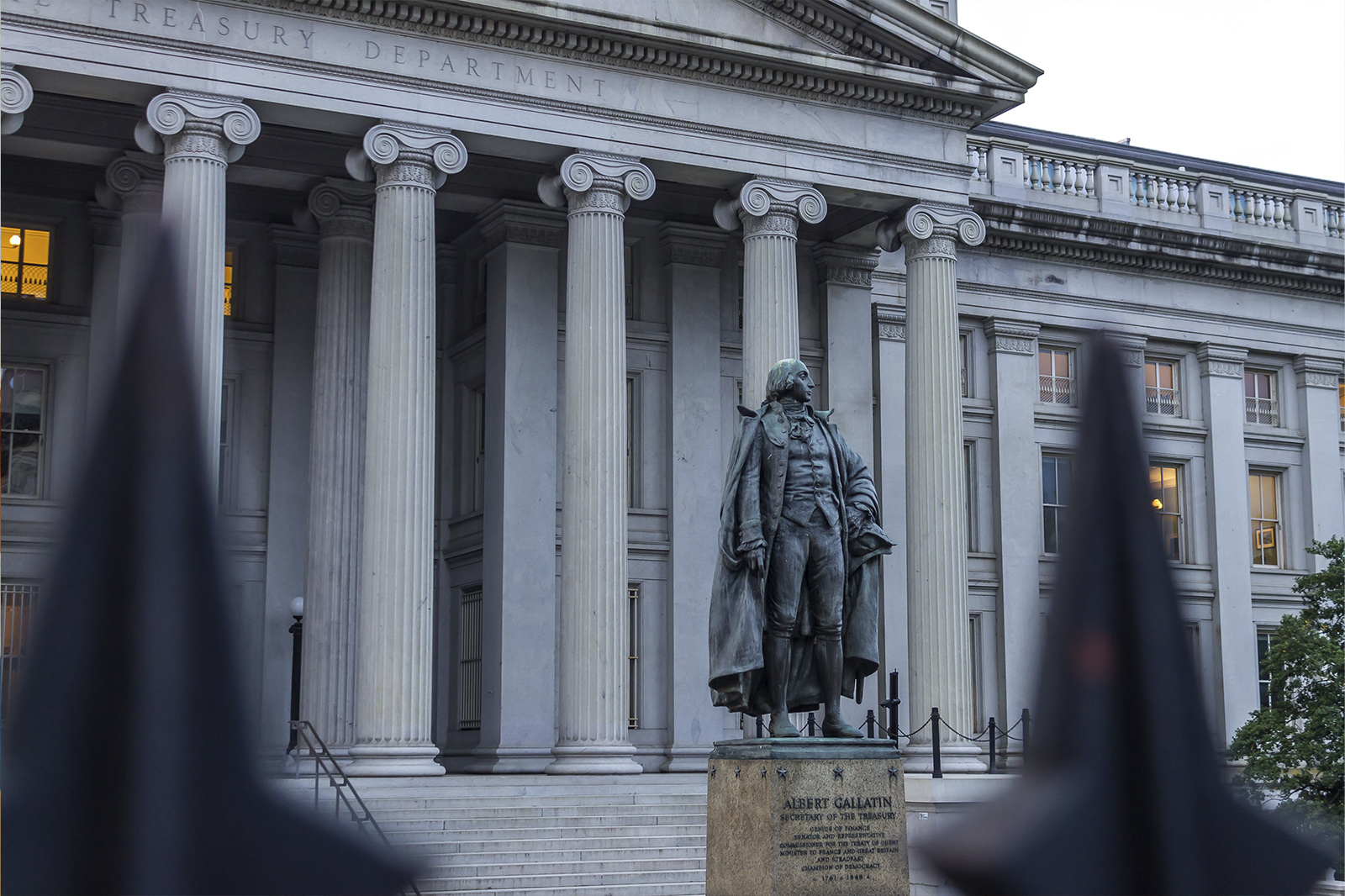
And in remarks made Tuesday at a closed-door meeting and later released by the Treasury Department, Deputy Assistant Secretary for Tax Policy Kevin Salinger said that states may not impose “substantive” rules on scholarship groups that are more restrictive than federal law.
That’s welcome news for school choice groups who want more flexibility and limited rules for scholarship groups.
It may present a dilemma for Democratic governors who have said they are waiting to see these rules before deciding whether to opt in.
One of the key questions for this group has been whether they’ll be able to shape the program by putting additional rules on scholarship groups, requiring, for example, that they serve low-income families and students with disabilities or meet certain academic standards. Some Democrats have indicated they want the money only to go to public schools.
“I am never going to leave money on the table when it comes to supporting our kids in public schools,” Maryland Gov. Wes Moore said last week at the Education Writers Association conference in Baltimore when asked about the tax credit. But Moore said he was waiting on the regulations to decide whether to participate. “I do not believe that we should be taking public dollars and putting them towards private education.”
Salinger’s remarks indicate states will not be able to shape the program as they see fit, contradicting the administration’s promise to “return education to the states.”
Set to launch in 2027, the federal tax credit scholarship allows individuals to donate up to $1,700 to eligible nonprofits and get fully reimbursed through a federal income tax credit. The scholarship groups can provide vouchers to families earning up to 300% of the area median income to spend on educational expenses. Those expenses could be private school tuition, tutoring for a public school student, or specialized equipment or therapies.
Governors can decide whether their states participate, and those who do must submit lists of eligible scholarship organizations each year. Federal law imposes only minimal requirements, for example that scholarship groups operate as federally recognized nonprofits and provide money to students who attend more than one school.
The closed-door event at which Salinger spoke included a panel on ways public school students could also benefit.
Speaking at a separate Chalkbeat Ideas event Thursday, Rhode Island Education Commissioner Angélica Infante-Green said Democratic states should be open to possibilities, such as scholarships funding afterschool tutoring through approved vendors.
“This is not money that we would have,” she said. “This is money that, instead of going to the federal government, could come to our state.”
Another question has been whether homeschool families can benefit. That’s likely to be determined by whether state law considers a home school to be a school in a legal sense.
Sailnger laid out other aspects of the rules that school choice groups have been watching carefully, clarifying that they can operate in multiple states and that caps on administrative costs won’t apply to their entire budgets, only to money they raise for scholarships.
The rules will be finalized by the end of September, Salinger said.
Large national scholarship groups hoped for this flexibility so they can expand and serve more families.
“We have gotten our clearest signs from Treasury yet that this tax credit is going to benefit all students across all sectors,” said Ashling Preston, director of federal affairs for the American Federation for Children. “Every governor has the information they need to opt in right now. There are hundreds of millions or even billions of dollars at stake in every state.”
But Augustus Mays, vice president for partnerships and engagement at the progressive advocacy group EdTrust, said the preview of the rules only reinforces his belief that Democratic governors should opt out.
“If you’re a governor and you think you’ll be able to have the authority to shape this program to align to your public school priorities,” he said, “the answer is no, you’re not going to have that authority.”
***
Chalkbeat is a nonprofit news organization covering public education, https://www.chalkbeat.org/2026/06/11/treasury-previews-tax-credit-scholarship-rules-that-shape-school-choice/